⬅ Back to Portfolio

COMPANY: ETORO ROLE: CONTENT STRATEGIST, UX WRITER YEARS: 2025 – PRESENT

How I built content infrastructure at a global fintech company.

Hired as the only UX writer. Ten months later: a style guide, a cross-functional workflow, and an AI plugin that catches copy issues before they ship.

What I inherited
  • Live spelling and grammar mistakes in production
  • No style guide that anyone used
  • No glossary, no shared voice
  • PMs shipped copy without any review
  • Designers didn't see UX writing as part of design

1 · Diagnose

I walked into a mess.

I was hired as eToro's sole UX writer. The brief: "Here's a mess. Let us know when you've fixed it."

So the first thing I did was run a content audit. I needed to gauge the situation before I could change it: combed every flow, screenshotted every screen, AI-analyzed what I found. The audit deck I compiled for the VP of Product proved the problem. Fixing it meant winning over the PMs who'd actually been creating it — and most of them had never worked with a UX writer.

Open the audit deck →
UX-writing-101 deck · presented to the Product Unit

2 · Establish

I built trust before I built process.

Most PMs had never worked with a UX writer before. Some didn't know what UX writing was. Before any process could stick, I had to introduce the role itself.

So I worked 1:1 with every PM and ran a UX-writing-101 deck at the Product Unit's monthly meetings. Once trust was there, I rolled out a Monday-board submission flow — PRDs, Figma links, context all in one place. First time I had a real queue. But the queue didn't multiply me. Next I'd need automation — because one writer can't review every string going live at the volume PMs were shipping.

Open the UX-writing-101 deck →
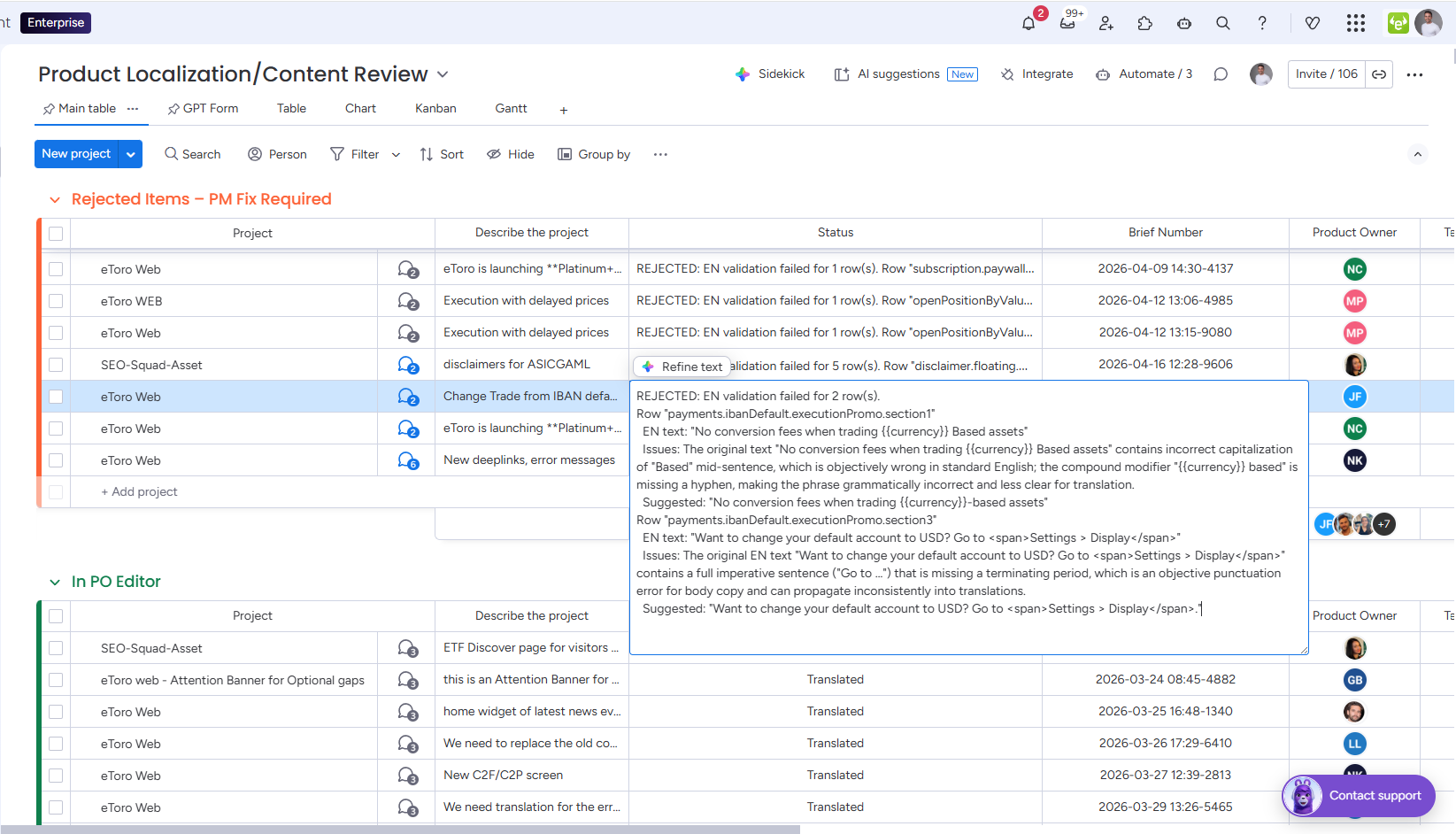
Monday board · AI vetting catching a real English issue
Monday board screenshot showing a PM submission rejected by the AI vetting tool with detailed feedback about an English-language issue.

3 · Automate

I made bad copy impossible to ship.

Even with my queue, only one me. Live copy was shipping at volume across the product — well beyond what any single writer could review by hand.

So I partnered with the head of R&D to add an AI English-vetting layer in front of production. Every string passes a hygiene + style check before it ships. PMs upload a screenshot so the AI knows a button from an H1. Live spelling mistakes were dead — but whether the slower 1:1 work was actually moving the PMs, I still couldn't tell from inside.

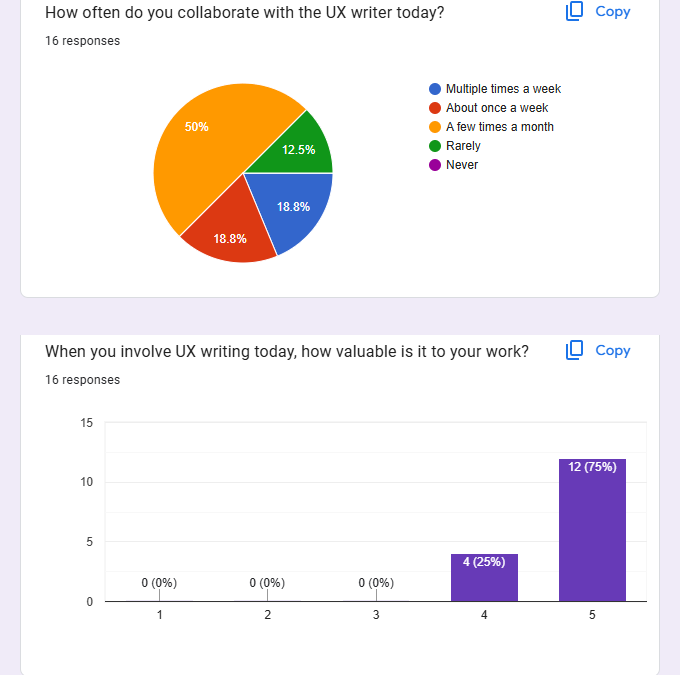
PM × UX Writing Collaboration Pulse · 16 responses
Google Forms analytics for the PM x UX Writing Collaboration Pulse survey. Pie chart shows 50% a few times a month, 18.8% multiple times a week, 18.8% about once a week, 12.5% rarely. Bar chart shows 75% rated 5/5, 25% rated 4/5.

4 · Measure

I proved it worked.

By January I'd been at eToro six months. Time to ask the PMs on the receiving end if any of it had actually worked.

A pulse survey of 16 came back: 100% rated the work 4 or 5 out of 5. Weekly UX-writing collaboration had tripled — 13% to 40%. Now I had proof to pitch upward.

eToro UX writing style guide · 157 rules

5 · Standards

I wrote the AI's rulebook.

R&D leadership bought my pitch: shift from fixing bad copy late to preventing it. Prevention needed a foundation first — rules concrete enough that an AI could enforce them. So I wrote eToro's first comprehensive UX writing style guide.

Voice, tone, financial-risk language, UI standards, terminology, localization, compliance, governance. 117 rules mandatory, 40 suggested. Built specifically for trading — how to communicate risk without creating fear, how to stay calm during payment failure or market volatility. The rules were the spec. Next: the agent that would enforce them automatically — capitalization, terminology, voice — at design time.

Open the style guide →
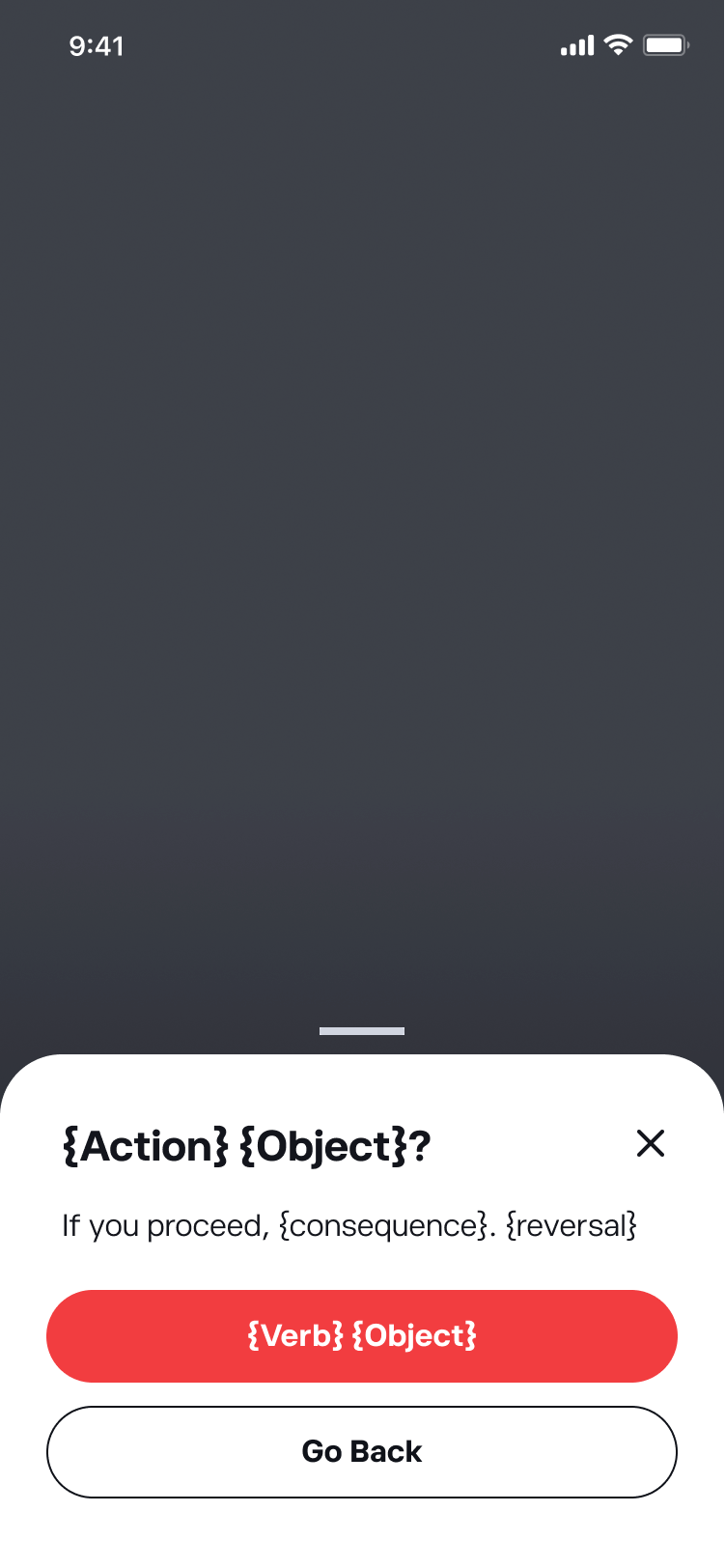
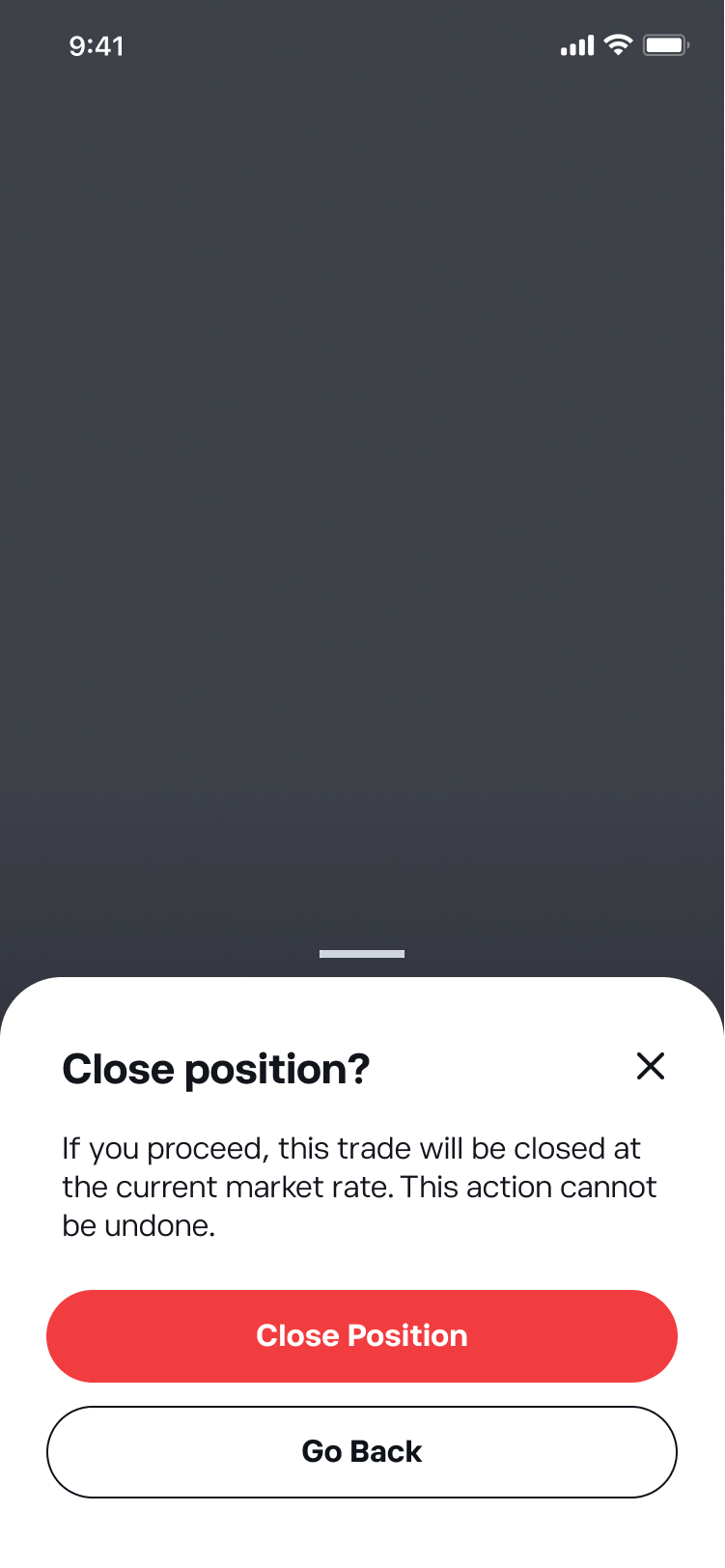
eToro copy assistant · in action

6 · Build

I closed the loop with an AI writer.

Click once. It reads every screen the way I would — flags what's wrong, explains why, learns from PMs' pushback.

Live in the eToro Figma org since May 13. Built solo with Claude Code. Ten months from finding the mess to handing PMs the writer that prevents it.

See the plugin in detail →

The throughline

Each move set up the next.

Audit gave me credibility. Trust gave me access. AI vetting stopped the bleeding. The survey proved the work mattered. The style guide became the spec. The agent put it in every PM's Figma. What started as one writer firefighting is now an AI content system — live, in use, every day.